



Key community eye health messages
Related content
When designing presbyopia services in the community:
• Treat presbyopia as a productivity and participation issue, not only a clinical condition
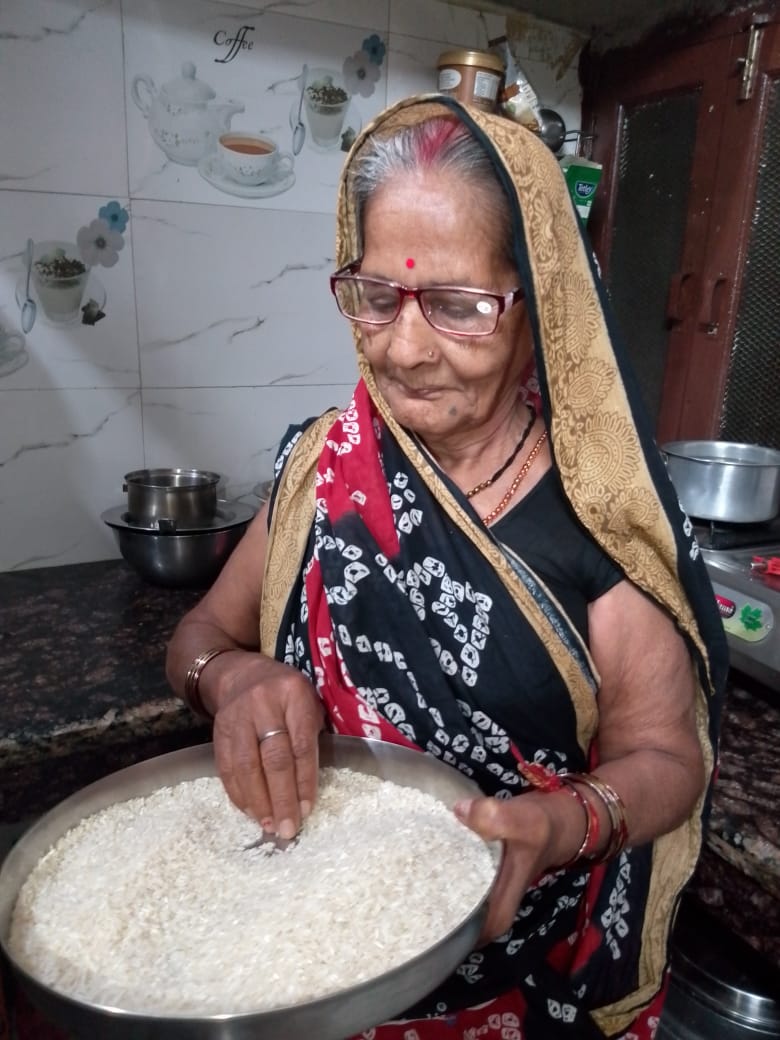
• Link services to everyday activities such as reading, mobile phone use, and livelihood tasks
• Offer screening and dispensing at the same visit, as follow-up is often low in community settings.
When improving access and uptake:
• Actively address gender and social barriers, as women often report near sight problems later despite higher need
• Use task-based demonstration, allowing people to try spectacles during real activities to improve acceptance
• Ensure services are affordable and provide clear options for replacement, as unmet need often persists due to cost and access gaps.
When ensuring continuity and quality of care:
• Plan for changing needs over time, as people will require stronger lenses with age
• Integrate presbyopia into primary health care rather than treating it as a one-time outreach activity
• Establish clear referral pathways for people with persistent difficulty or suspected eye conditions.